Call 911 for
- Chest pain, pressure, squeezing or fullness that lasts more than a few minutes or comes and goes
- Pain spreading to the arm, neck, jaw, back or stomach
- Shortness of breath, cold sweat, nausea or lightheadedness with or without chest pain
Women, older adults and people with diabetes more often have symptoms like shortness of breath, nausea, unusual tiredness, or back or jaw pain instead of classic chest pain.
Do not drive yourself. Paramedics can start treatment and send an EKG to the hospital on the way.
Book a prompt visit for
- Chest discomfort that comes on with exercise and goes away with rest (this can be angina and should be checked soon)
- Chest pain that has already resolved, if you have not been evaluated
- New shortness of breath with stairs or walking
Common tests
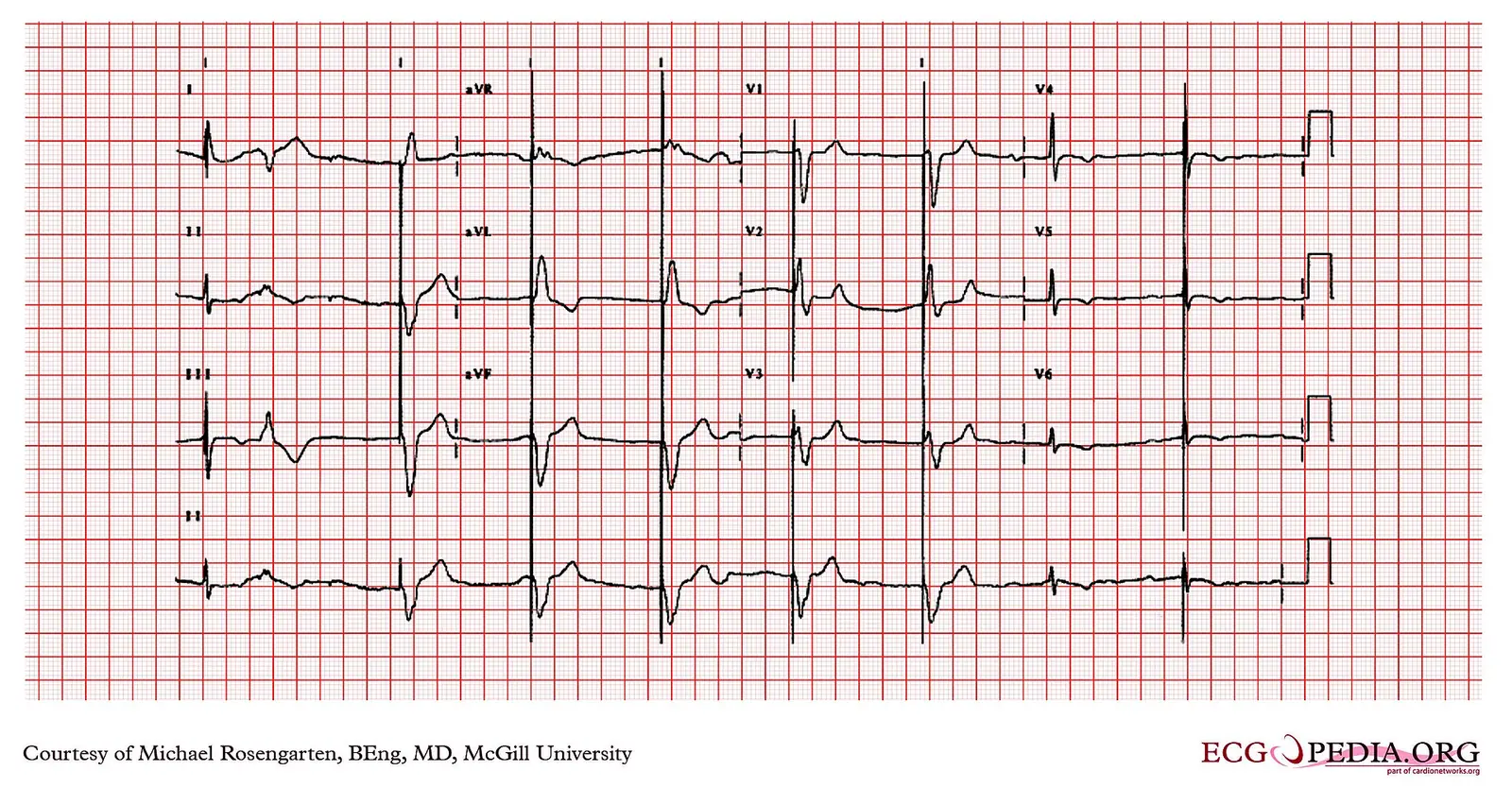
An EKG, blood tests, and often a stress test or CT scan of the heart arteries. See heart tests explained.
Sources
Keep reading
High blood pressure: what the numbers mean
Blood pressure categories, how to measure at home correctly, and when treatment is recommended.
Read more
Palpitations and atrial fibrillation
What palpitations usually mean, how atrial fibrillation is found and treated, and when to get help right away.
Read more