The categories
| Category | Top number (systolic) | Bottom number (diastolic) | |
|---|---|---|---|
| Normal | Less than 120 | and | Less than 80 |
| Elevated | 120 to 129 | and | Less than 80 |
| Stage 1 high blood pressure | 130 to 139 | or | 80 to 89 |
| Stage 2 high blood pressure | 140 or higher | or | 90 or higher |
These are the American Heart Association categories. A reading above 180/120 with symptoms such as chest pain, shortness of breath, vision changes or weakness needs emergency care.
Measuring at home
- Use a validated upper-arm cuff that fits your arm
- Sit quietly for five minutes, back supported, feet flat, arm resting at heart level
- No caffeine, exercise or smoking for 30 minutes before
- Take two readings a minute apart, morning and evening, for a week, and bring the log to your visit
Treatment
Lifestyle changes come first for many people: less salt, more fruits and vegetables, regular activity, limiting alcohol, and weight loss if needed. Medicines are added depending on your numbers and overall heart risk.
When to see a cardiologist
If your blood pressure stays high on three or more medicines, if it started young, or if you have signs of heart or kidney effects.
Choosing a home monitor
Pick an upper-arm cuff that has been checked for accuracy. The US Blood Pressure Validated Device Listing at validatebp.org shows which models have passed. Bring your monitor to your next visit so the office can check its readings against theirs. If you shop online,
Sources
- American Heart Association: Understanding blood pressure readings
- CDC: High blood pressure upper-arm monitors on Amazon come in many sizes, so measure your arm first (we may earn a commission, at no cost to you).
Keep reading
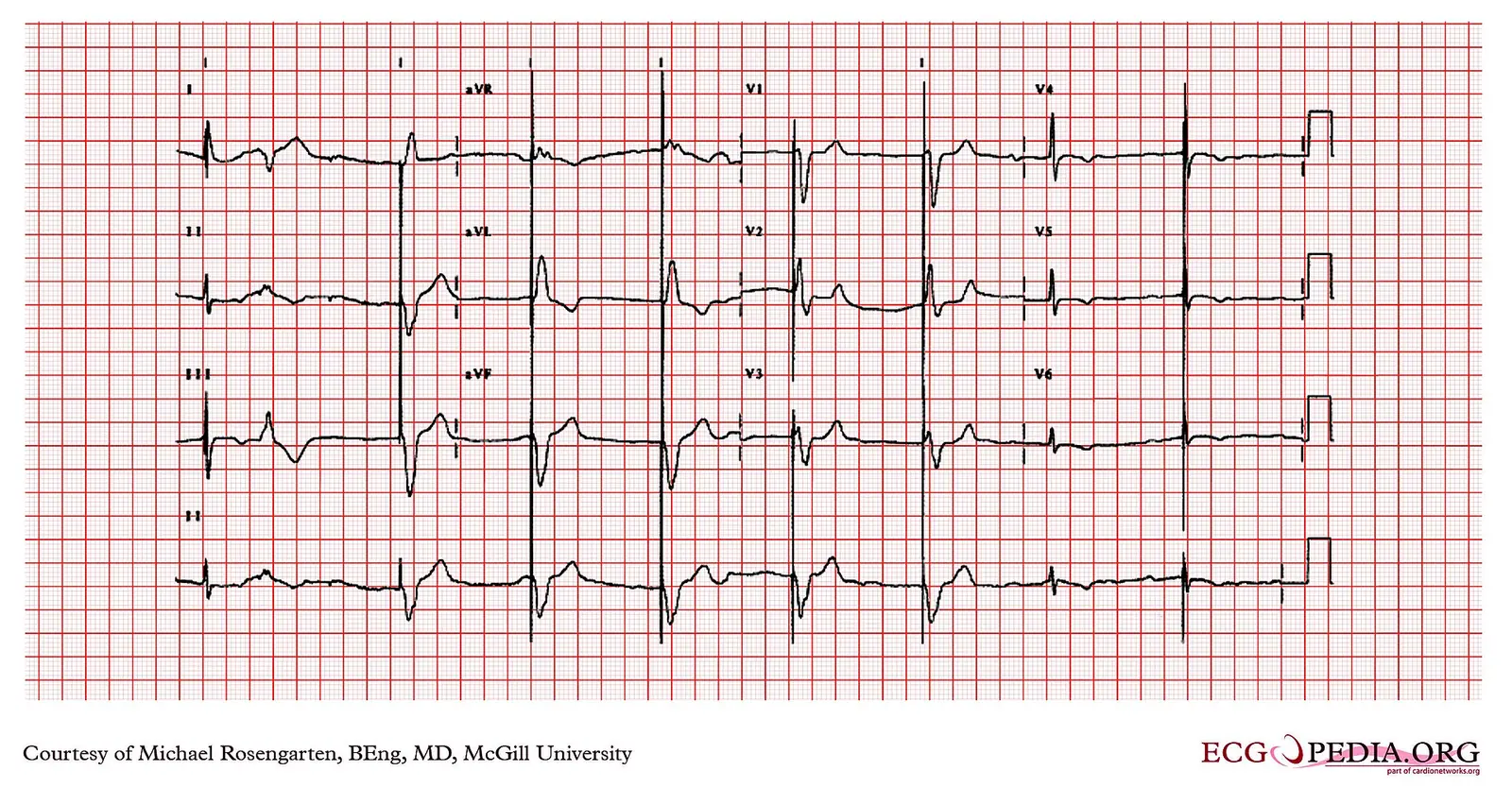
Which kinds of chest pain are an emergency, which need a prompt appointment, and what testing usually involves.
Read more
What palpitations usually mean, how atrial fibrillation is found and treated, and when to get help right away.
Read more