- A routine checkup usually starts with your history, your medicines and an exam, not with a fixed list of high-end tests.
- Bring a medicine list and any prior heart tests so the visit is not spent reconstructing the past.
- Chest pain or other emergency symptoms should not wait for a scheduled appointment.
People often come to a cardiology visit expecting a long menu of tests. Sometimes those tests are appropriate. Often the first, and most useful, part of the appointment is quieter than that: a conversation about what has been going on, a review of your medicines, and a careful exam.
This is general information, not a diagnosis, and not a list of tests you are entitled to or must have.
What often happens in the room
A clinician will usually ask about chest discomfort, shortness of breath, palpitations, swelling, fainting, sleep, exercise, smoking, blood pressure, cholesterol, diabetes and family history of heart disease. Bring a written list. Memory is worse in exam rooms.
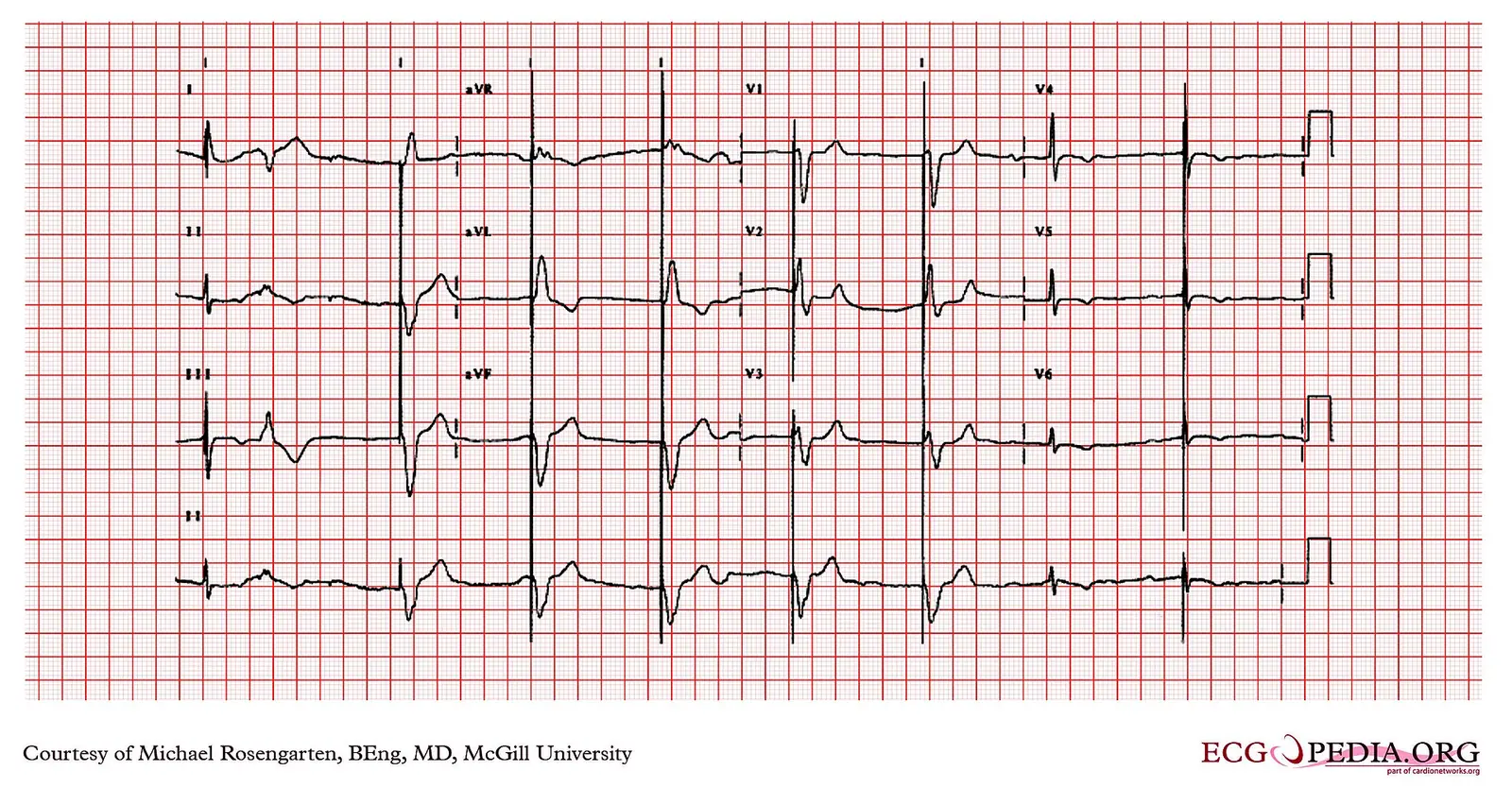
They will usually check your blood pressure, look at your heart and lungs, and may look at your legs for swelling or circulation problems. An electrocardiogram (ECG or EKG) is common when there is a reason to look at the heart's rhythm or electrical pattern, and it is not the only test a person might need. Blood work, an echocardiogram, a monitor you wear at home, or a stress test may be discussed if the history or exam raises a specific question.
There is no honest way to say that every routine checkup includes all of those tests. If you want a plain explanation of common studies, see our heart tests guide. Related issues we cover separately include high blood pressure, cholesterol and palpitations.
What to bring
- A list of every medicine and supplement, with doses, including medicines from other doctors
- Your insurance card and a photo ID, and a referral if your plan requires one
- Prior ECGs, echocardiogram reports, hospital discharge papers or lab results, on paper or through a portal login
- Home blood pressure readings, if you keep them, with dates
- A short note about symptoms: when they happen, how long they last, and what you were doing at the time
- The name of your regular doctor and any other specialists
If this is a first visit, arrive early enough to complete new-patient forms without cutting into the time you have with the clinician.
Questions that make the visit useful
- What do you think is going on, and what is unlikely?
- Do I need any tests now, and what will those results change?
- What should I do if the symptom comes back before the next visit?
- Should anyone else in my care, such as my regular doctor, get a copy of this plan?
- Are there medicines, exercise habits or follow-up intervals you want me to change?
Write the answers down before you leave, including any new medicine and the reason for it.
When you should not wait for a checkup
A scheduled visit is the wrong place to sit with possible emergency symptoms. Call 911 if you have chest pain or pressure, especially with shortness of breath, sweating, nausea, lightheadedness, or pain that spreads to the arm, neck, jaw or back. Do not drive yourself if you think you may be having a heart attack. Our guide to chest pain and when to go is the page to read before you need it, not in the middle of the symptom.
New fainting, sudden severe shortness of breath, or a very rapid or irregular heartbeat with dizziness or chest discomfort also deserves urgent care rather than the next available checkup slot.
Sources
- American Heart Association: Warning signs of a heart attack
- American Heart Association: What is a cardiologist?
- MedlinePlus: Heart health tests
- U.S. Preventive Services Task Force: High blood pressure in adults, screening
Frequently asked questions
Will I automatically get an echocardiogram or a stress test?
Not necessarily. Many visits start with a conversation, a blood pressure check and a heart exam. Other tests are added when they would answer a specific question.
What should I bring?
A current medicine list, your insurance card, prior heart test results if you have them, and a short note about symptoms, blood pressure readings and family history.
When should I skip the scheduled checkup and get urgent care?
Chest pain, pressure or tightness, especially with shortness of breath, sweating, nausea, or pain in the arm, neck or jaw, can be an emergency. Call 911. Do not drive yourself if you think you may be having a heart attack.
Keep reading
Which kinds of chest pain are an emergency, which need a prompt appointment, and what testing usually involves.
Read more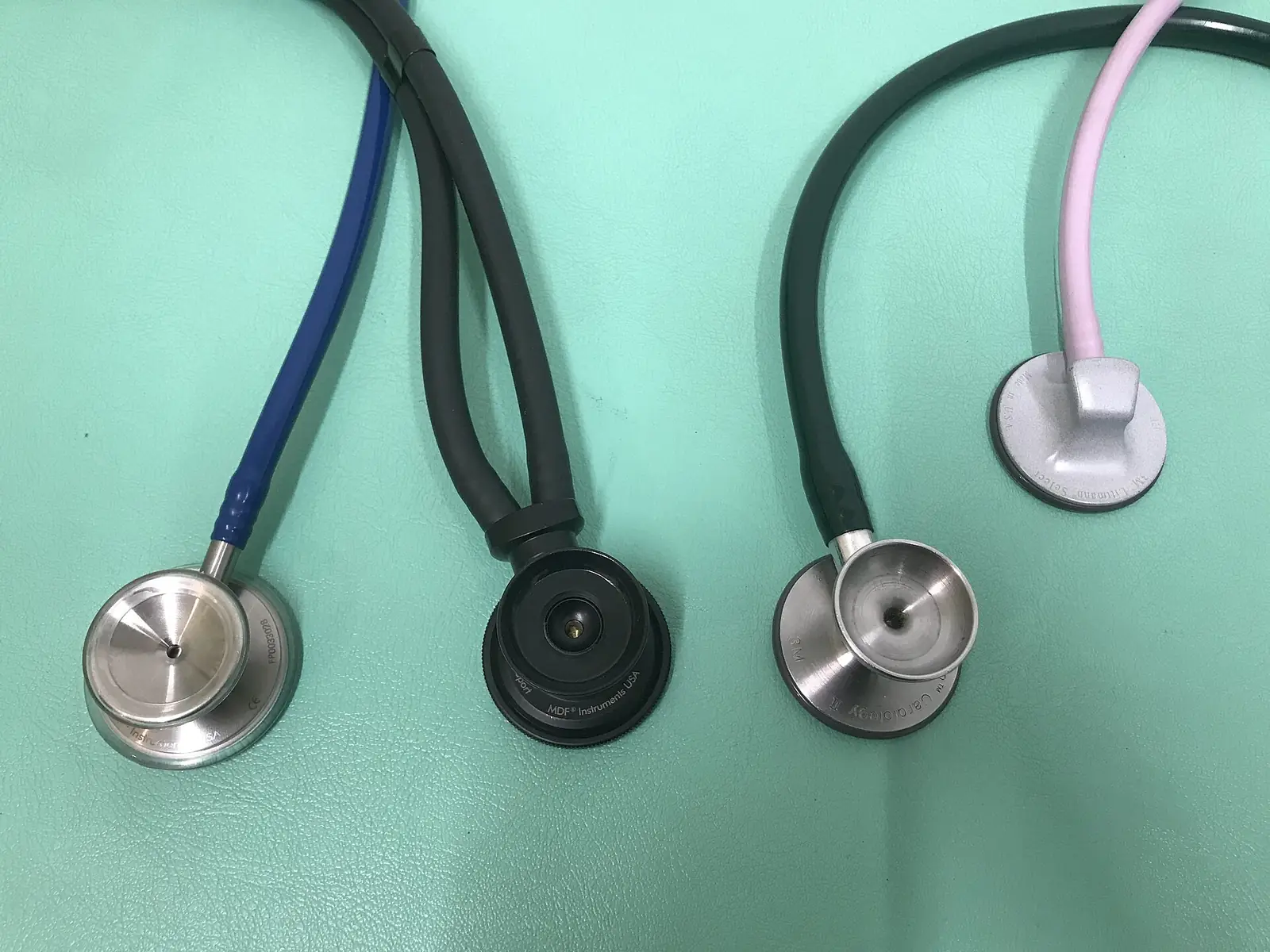
Blood pressure categories, how to measure at home correctly, and when treatment is recommended.
Read more
What palpitations usually mean, how atrial fibrillation is found and treated, and when to get help right away.
Read more